


I counsel players on safer gambling and consumer rights, and one question arises again and again: what do you do when something goes wrong? Casino dispute resolution is the phased process that settles disagreements between a player and an operator. It includes internal complaints, negotiation, mediation, arbitration, and sometimes regulatory or legal steps. In Switzerland, that process is important because it gives you a clear route to fairness and accountability.
Common Sources of Casino Disputes
Most casino disputes fall into a few foreseeable buckets. Knowing which bucket your issue falls into helps you determine which part of the resolution process counts the most. In my experience, payment-related disagreements lead the list. Delayed withdrawals, voided bonuses, frozen accounts, confusion over verification documents — these are the typical offenders. Whenever I talk to Swiss players, I emphasize that categorizing your problem into the right category is step one toward a resolution.
Other disputes center on game fairness, technical glitches, or how promotional terms are understood. Affiliate disagreements often boil down to commission calculations, traffic quality, or marketing restrictions. Here are the issues I come across most often, both for players and affiliates. Spotting them ahead of time saves you time and prevents emotions from escalating.
- Withdrawal delays or payment processing errors
- Misunderstandings about bonuses and wagering requirements
- Verification issues and rejected documents
- Technical glitches or disputed bets
- Commission and tracking mismatches for affiliates
- Gambling limits or self-exclusion conflicts
The way the Legal and Affiliate Framework Affects Disputes
A casino’s legal and affiliate page is not merely fine print. It spells out the relationship between you, the operator, and any marketing partners. When I look into affiliate disputes, I commonly find the answer hidden in the contract language about traffic sources, chargebacks, or negative carry-over. Players need to read these pages too because they specify which terms apply to bonuses and withdrawals.
For affiliate partners, the dispute resolution ladder is comparable. Begin with your affiliate manager, then progress through the programme’s formal process, and finally resort to ADR or legal channels if you must. In Switzerland, affiliate relationships are commercial contracts, so documentation and clear communication are crucial. I instruct affiliates to store monthly performance reports, payment records, and all correspondence in one tidy folder.
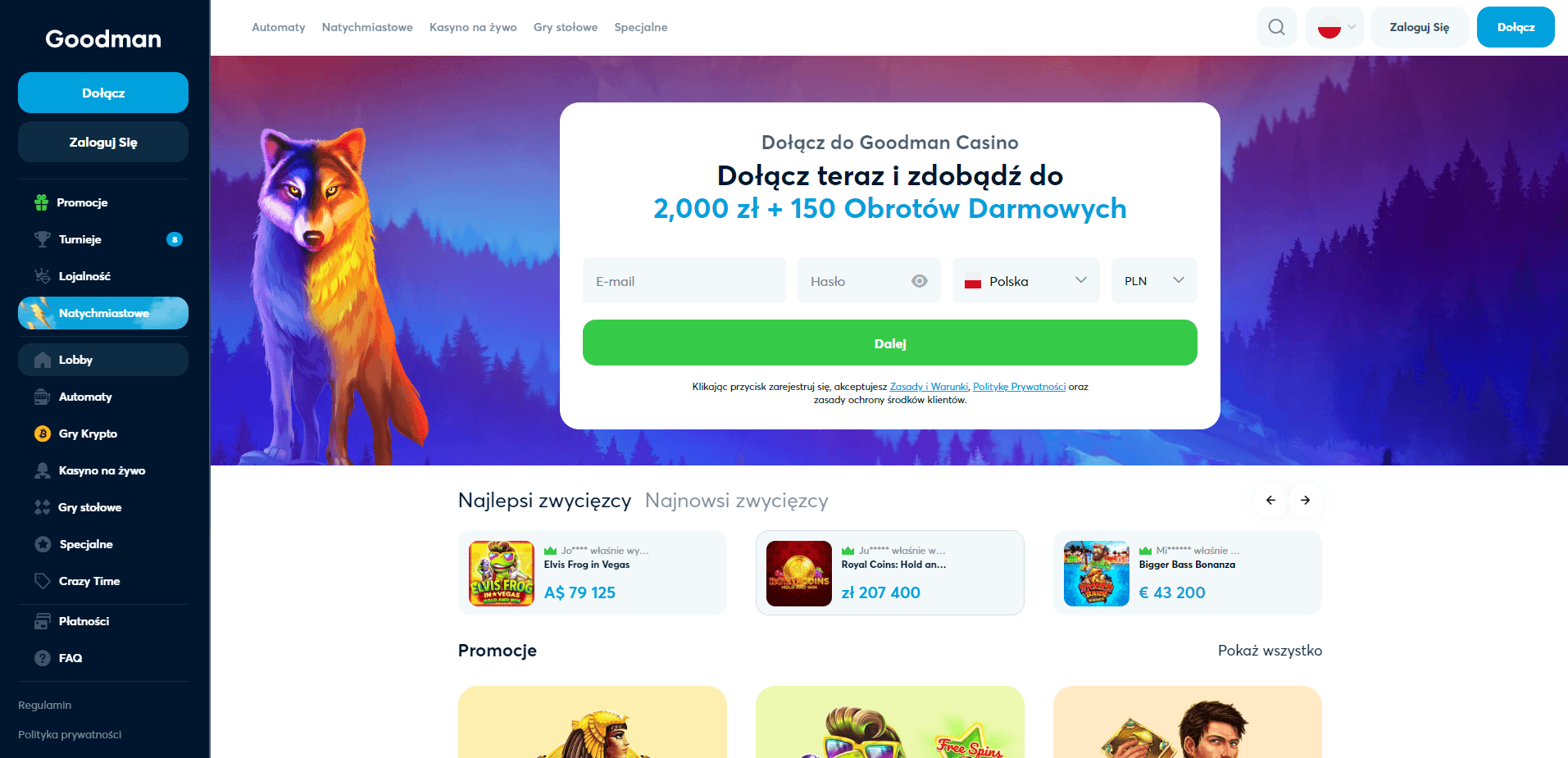
From a legal angle, Good Man Casino’s page is present to create transparency. When a dispute emerges, the first thing you review is always the published terms. If those terms are unreasonable, vague, or applied inconsistently, that could become the foundation of your complaint. My job as an advisor is to aid you connect the facts of your case to the specific clause that supports your position.
How Casino Dispute Resolution Is Important in Switzerland
Switzerland runs a regulated gambling environment. The Federal Act on Gambling (Geldspielgesetz) establishes a legal framework that puts player protection, fair operations, and transparent complaint handling above all. Any casino licensed under this system has to meet strict obligations. Dispute resolution is the safety net that turns those obligations into real remedies for real people. I think of it as the bridge between a rulebook and your personal experience.
Players at Good Man Casino enjoy a real advantage when they grasp this framework before trouble starts. A clear dispute resolution path reduces stress and keeps you from seeking answers through informal back channels. It also preserves the casino’s reputation by striving for consistency and accountability. In the Swiss market, trust is everything, so being aware of how the process works isn’t just a legal footnote; it’s part of gambling confidently and responsibly.
Plenty of disputes never worsen because the path forward is clear. I always recommend clients to treat the process like a structured conversation, not a fight. That mindset keeps your evidence tidy and your communication on point. The same principles are relevant to casual players and affiliate partners alike: record the issue, consult the correct terms, and use the right channel at the right time.
ADR (ADR) Clarified
ADR (ADR) is a set of organized ways to settle disagreements without going to court. In the casino world, ADR matters because it’s usually faster, cheaper, and easier to access than litigation. I explain it to clients as a unbiased middle ground. Both sides offer their evidence, and a third party aids arrive at a fair outcome. ADR has a few various shapes.
Mediation leans on a neutral facilitator who assists both sides find a voluntary agreement. Arbitration is structured and can hand down a binding decision. Adjudication and ombudsman schemes commonly blend investigation with a recommendation. In Switzerland, online casino disputes may go through regulatory complaint channels or approved ADR bodies, according to the operator’s licence. The right path hinges on your specific issue.
- Mediation: a neutral third party leads dialogue without dictating a decision
- Arbitration: a neutral arbitrator examines evidence and delivers a binding or non-binding ruling
- Ombudsman schemes: an independent office looks into complaints and suggests remedies
- Regulatory ADR: the licensing authority deals with complaints about licence breaches
I usually tell players to bear ADR in the back of their mind but not to bypass past the internal steps. Outside bodies nearly always want proof that you tried to resolve things directly first. That order keeps the process from getting bogged down and indicates you’re acting in good faith. It also is likely to accelerate things when the internal team knows an external review might be next.
Step One: In-House Complaints and Help
Before you bring any external party into it, take the matter straight to the casino’s help or complaints team. I constantly advise people to begin here because most problems are fixed fast when the casino has a detailed record of what happened. Good Man Casino’s legal and affiliate section shows the proper contact points. Stick to a written route whenever you can so you’ve got a timestamped trail.
A solid internal complaint adheres to a basic structure. Outline the facts, point to the specific term or transaction, and recommend a practical outcome. Keep it polite and direct. Casinos manage hundreds of requests, but a concise complaint gets noticed and is sent to the correct team faster. Here’s the process I typically recommend:
- Compile transaction IDs, screenshots, emails, and applicable terms
- Submit a clear complaint to customer support in writing
- Ask for a complaint reference number and projected response time
- Escalate internally to a supervisor or dedicated complaints team if unresolved
- Ask for a final response before transitioning to external resolution
If the reply doesn’t satisfy you, don’t discard the paper trail. A official internal rejection frequently transforms into key evidence later on. Swiss operators are required to act justly and steadily, but they can only reply to what you present in front of them. Your prep work immediately influences the level of the final outcome.
Regulatory Authorities and Ombudsman Services in Switzerland
Switzerland’s gambling setup rests on the Federal Act on Gambling and is implemented by the supervisory authority. For players, that means a licensed casino isn’t operating in a vacuum. If internal complaints and ADR don’t sort things out, the regulatory framework can present another step. I always inform clients to verify which body has jurisdiction before they file anything.
The Swiss gambling supervisory authority, Gespa, keeps an eye on casinos and lottery operators https://goodmans.ch/legal-and-affiliates/. It can investigate whether an operator violated its licence conditions or consumer protection rules. But it might not get involved in every individual payment dispute unless there’s a regulatory breach. Recognizing that difference aids you establish realistic expectations and pick the right path.
Ombudsman services can sometimes give you an independent review at your case. In Switzerland, the ombudsman function in gambling is part of a wider effort for fair dispute resolution. I recommend checking the operator’s terms for any designated ADR provider or ombudsman. If none is listed, the regulatory authority might still take complaint information. Always frame your case as a potential licence issue, not just a personal refund request.
Frequently Asked Questions About Casino Dispute Handling
How much time does a casino dispute typically take?
In my experience, a simple internal complaint can be resolved in a few days to two weeks. More complex cases that involve verification or affiliate commissions can take longer longer. External ADR can add several weeks or months. The trick is to address requests quickly and keep your paperwork handy, because delays typically come from missing info, not the process itself.
Do Swiss players use foreign dispute resolution bodies?
Yes, but only if the casino holds a licence in that foreign jurisdiction or its terms designate that body. Swiss regulators focus on Swiss-licensed operations. If you play at an internationally licensed casino, you might be required to use the ADR provider tied to that licence. Always check the legal and affiliate page for the right forum before you file.
Do I need a lawyer to resolve a casino dispute?
In the early stages, no. A clear written complaint and organised evidence are usually enough. Legal help becomes more pertinent if the amount is large, the case hinges on complex contract interpretation, or ADR has fallen through. I suggest talking to a professional only after you’ve run through internal and regulatory routes, or if the operator isn’t engaging in good faith.
What occurs if the casino does not respond to my complaint?
If you’ve given them the stated response time and followed up in writing, you can escalate. Keep a log of your attempts. Then get in touch with the relevant ADR provider or regulatory authority. Silence from an operator can be a compliance issue on its own. I always inform clients to note every unanswered message and include that record in the next step.
Do affiliate disputes handled differently from player disputes?
Yes, they’re contractual rather than consumer-focused. Affiliates should comply with the dispute resolution process laid out in their affiliate agreement. Usually that means contacting the affiliate manager first, then using mediation or arbitration if the contract calls for it. The principles are similar, but the legal framework and evidence expectations are more commercial. praktischer Ratgeber Clear commission tracking and solid contract terms are critical.